Morocco Events Weddings Planner
Event Planner You Can Trust
Life is an event, so make it memorable with MoroccoEvents, the best event planner in Morocco. MoroccoEvents was started to provide full-service planning. You want to pick the premier event management company in Marrakech, whether it’s for business or personal entertainment.
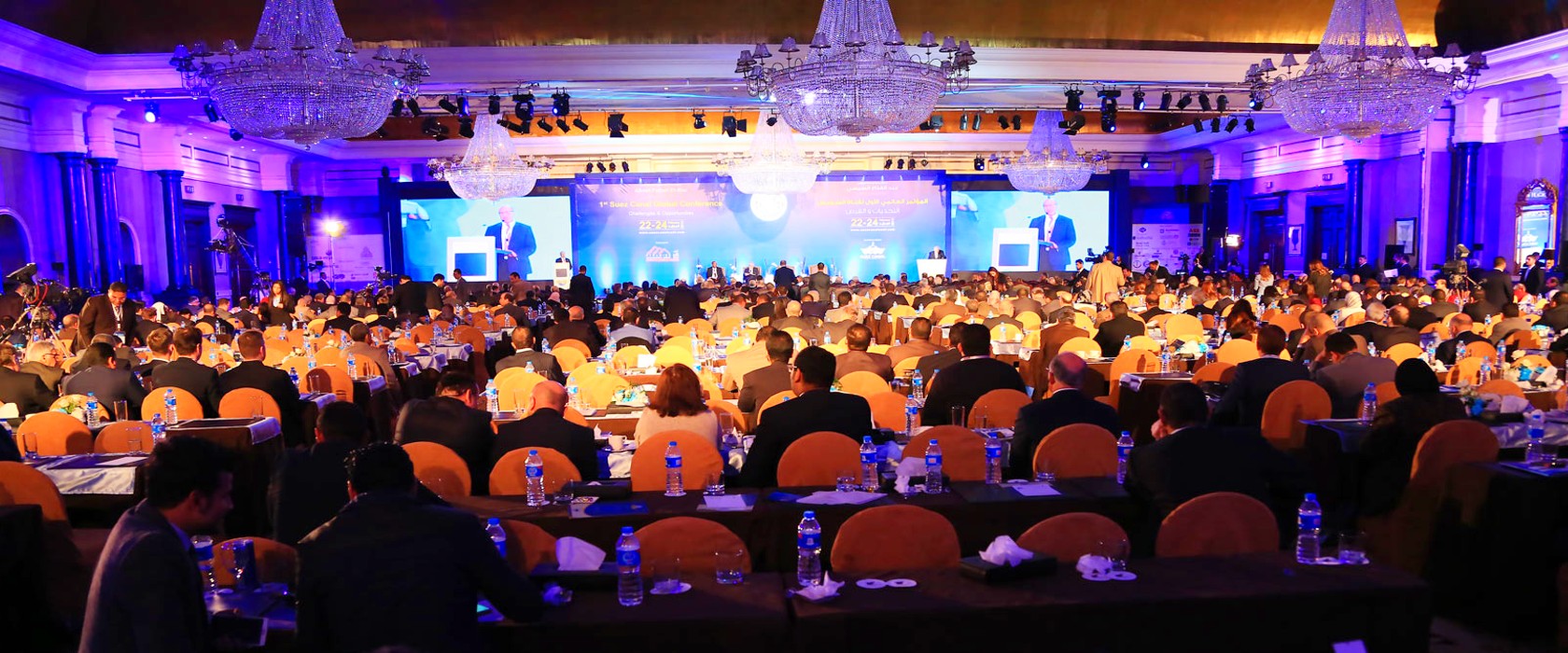
As a Morocco management agency and M.I.C.E. planner, we offer every service you need to plan a successful event. As our focus is on specialized events, we have a reputation for pulling off high-level executive events with finesse and flair.
Of all the top management companies in Morocco, we are among the most established when it comes to embracing all the latest trends. We apply these trends to corporate services such as conferences, seminars, incentive travel, team building, trade shows and expos, business or gala dinners, wedding planning, sport management, theme parties, golf holidays, product launches, board meetings, and other meaningful celebrations.
Conferences Organizers
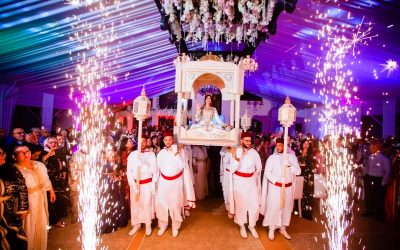
Luxury wedding
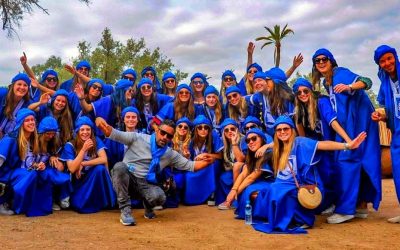
Incentive Group Travel
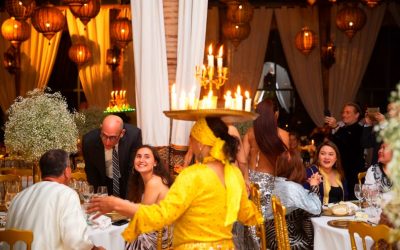
Theme Parties
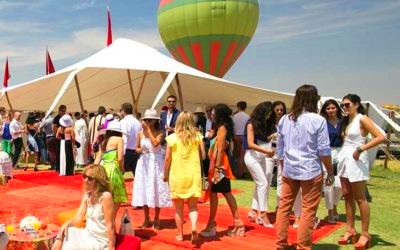
Vip Events Planner
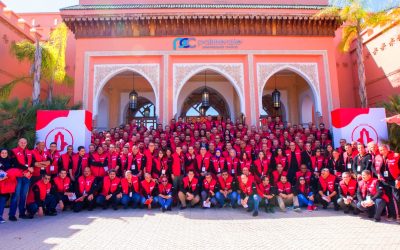
Team Building
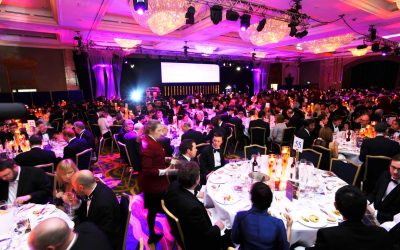
Gala Dinners
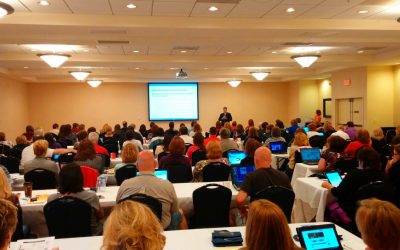
Seminars Planning
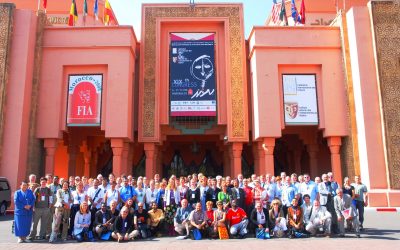
International Congresses
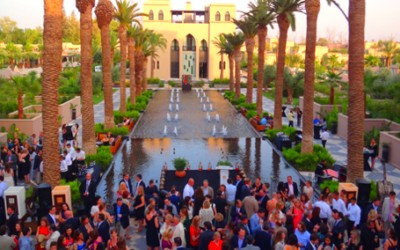
Incentive Planning

Golf Events Holidays

Networking Events

Sports Management
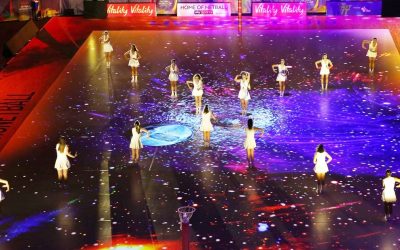
Opening Ceremonies
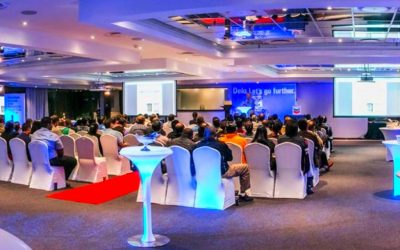
Products Launches

International Exhibitions
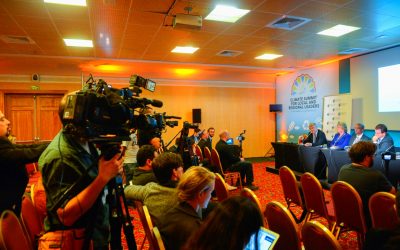
Press Conferences
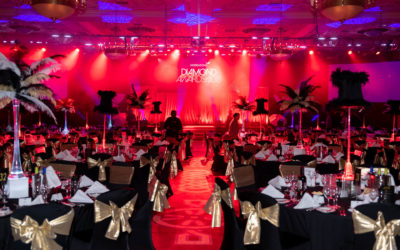
Award Ceremonies
Enhance your Events with Leadership & Experience
We deliver solutions that please our clients every time. This is our commitment to you as one of Morocco’s top companies. Each of our clients receives top-notch advice and service when they work with us. Our managers have decades of experience providing clients with exactly what they are looking for. With over two decades of corporate event planning experience, our Morocco event organizers are consummate professionals. When devising a plan for an event, we look at the client’s requirements and budget and apply our own unique visions to them.
Our Morocco management planning in Marrakech, Casablanca, Rabat, Tangier, Fes, and other Moroccan cities gives you many production and entertainment options so you can truly create a unique celebration. Our catering services can be used for everything from corporate events to family functions. If we didn’t provide exceptional service, we wouldn’t be happy. The relationships we have built with service providers and entertainment specialists are a source of pride. It is the combination of our relationships and our insight into design that makes us such a reputable event planner in Marrakech. Our stellar craftsmanship gets you exactly what you want for your event.
No other Moroccan corporate management company embraces the creative concepts that we do. This makes our work more memorable and unique than that of our competitors. We use cutting-edge production values to ensure your experience is as fulfilling as possible. Using the latest technology, we can bring a level of excitement to your special occasion that is unprecedented. We guarantee that we will negotiate with our vendors to get you the lowest prices we can. This includes transportation, food and beverages, and accommodations.
We organize breathtaking events that will defy your expectations. Using your imagination as a springboard, we will create a work that makes you proud. When our team organizes an event, we keep in mind your vision. We seriously take care of every single detail of the planning process. We will not stop until the details of your event reflect what you want. We possess the unique vision and impeccable craftsmanship that, when applied to your initial idea, make our services exceed your highest expectations.
IMAGINE. CREATE. INSPIRE.
 Creative Branding
 & Graphic design
 Marketing Experts
 & Social media
 Event Registration
 & Management
 videography &
 Photography
 Website
 & App Creation
 Travel &
 Transport Services
Events Planning Beyond Expectations & Creations
Corporate: As a corporate management agency in Marrakech, our company works hard to accommodate the needs of every business and dignitary that requires their services.
Companies from around the world need international professional conferences and organizers from a qualified company. Some of the most notable companies that we have served and partnered with include DHL, Ford, Pepsi, Shell, Hyundai, Red Bull, and Dell.
Trade Shows: At one time, a worthy international trade fair and exhibition organizer in Morocco was difficult to find. Having a company with such specified expertise that can orchestrate the finite details of such large-scale events is not an easy feat.
However, this difficulty came to an end the moment MoroccoEvents opened its entertainment planning doors. Now, regardless of what type of trade or exhibit show clients wish to organize, they can harness the power and widespread influence of our company. This way, they can focus on their brand and not the event itself.
Sporting Events: Sometimes, the best course of action for an experience is to hold a sporting event. This type of event is excellent for cultivating comradery and healthy competition. Yet, this benefit is only possible if the host can find a suitable sports management planner.
Thankfully, the professionals at MoroccoEvents have a lot of experience dealing with sports, such as golf holidays.
Seminars: We are familiar with and have experience conducting formal seminar planning in Morocco. As with every country, there are certain nuances that you want to adhere to out of respect for the business being conducted in this particular country. We can guide the host through these cultural differences so that their seminars are completely professional and conducted appropriately for the area. Additionally, this company is also experienced in organizing Morocco’s team-building activities in Marrakech. For a company, large or small, this is sure to be a once-in-a lifetime adventure.
Morocco Wedding Planning: There is always a reason to hire party planners. After all, life is a party; enjoy it! No matter where you go or what you do, there are grounds for celebration. So, whether that celebration comes in the form of a corporate service or a personal achievement, just contact our company to speak to the best party planners. Therefore, hiring the best Morocco wedding planner agency is critical to making your events what you have actually dreamed of. A wedding is a once-in-a-lifetime event, and you must be able to relax to enjoy each moment of your big day in an amazing way. You can get assistance from the beginning of this exciting event to make it even more amazing.
MoroccoEvents is one of the most trusted and best Moroccan wedding planners in Marrakech, Casablanca, Rabat, Tangier, Meknes, Fes, Essaouira, and various other cities all around the country, where you will be served with exotic Morocco wedding venues and destinations such as enchanting gardens, luxury villas, 5-star hotels, and other gorgeous places, which can help you plan a luxury wedding in Morocco to make your big day even more special. Our professional team will make sure to make your Moroccan wedding dreamy just like you always have imagined…