Sports Event Management Guide for Seamless Event Success
Over 59 million American adults attend live sports events each year, underscoring just how massive the appetite for well run competitions has become. Organizing a successful event takes much more than picking a date and location, especially in the highly competitive American sports landscape. Whether you are planning a grassroots tournament or a major championship, understanding the essential steps of event management will help you deliver a seamless experience for participants and fans alike.
Table of Contents
- Step 1: Define Event Objectives And Target Audience
- Step 2: Select And Secure Suitable Venues And Vendors
- Step 3: Develop Detailed Logistical And Staffing Plans
- Step 4: Coordinate Marketing, Sponsors, And Registrations
- Step 5: Execute Event Operations And Monitor Performance
- Step 6: Evaluate Results And Optimize Future Events
Quick Summary
| Key Message | Explanation |
|---|---|
| 1. Define clear event objectives | Establish specific goals to guide planning and ensure team alignment for successful execution. |
| 2. Understand your target audience | Conduct demographic and psychographic research to tailor marketing and event design for maximum engagement. |
| 3. Choose the right venues and vendors | Assess venue and vendor capabilities to enhance participant experience and ensure logistical efficiency. |
| 4. Develop comprehensive logistical plans | Create detailed timelines and staffing structures to anticipate challenges and ensure smooth operations. |
| 5. Implement performance monitoring mechanisms | Utilize real-time tracking and feedback systems to evaluate success and make immediate adjustments during the event. |
Step 1: Define event objectives and target audience
Sports event management starts with strategic planning that transforms vague ideas into actionable blueprints. By precisely defining your event objectives and understanding your target audience, you create a robust foundation for successful execution. Setting clear objectives helps align your team’s efforts and provides a measurable framework for success.
The first critical step involves mapping out specific, concrete goals for your sports event. Are you aiming to raise awareness about a sport, generate community engagement, attract sponsors, or create a competitive platform for athletes? Each objective requires different strategic approaches. For instance, a community sports day will have vastly different planning requirements compared to a professional tournament. Sports event management fundamentally begins with understanding these core objectives that will guide every subsequent planning decision.
Identifying your target audience demands thorough demographic research and psychographic analysis. Consider factors like age range, athletic interest, skill levels, geographic location, and potential participant motivations. A youth soccer tournament requires different marketing strategies and event design compared to a senior amateur tennis championship. By developing detailed audience personas, you can customize every aspect of your event experience from venue selection to promotional messaging to ensure maximum participant satisfaction and engagement.
Pro Tip: Always build flexibility into your initial objectives. Sports events are dynamic environments where unexpected opportunities or challenges can emerge your planning should accommodate potential pivots without compromising core goals.
Next, you will move into detailed logistical planning that transforms these strategic objectives into practical implementation steps.
Step 2: Select and secure suitable venues and vendors
Selecting the right venue and vendors is a critical phase in sports event management that can make or break your entire event experience. Your goal is to find locations and partners that not only meet technical requirements but also enhance the overall participant and spectator experience. Venue selection involves comprehensive considerations beyond simple physical space.
Begin by creating a detailed checklist of venue requirements specific to your sports event. Assess critical factors like facility size, seating capacity, accessibility, parking infrastructure, technical equipment capabilities, and amenities. Venue management for sports events encompasses complex elements including infrastructure planning, security measures, and sustainability practices that extend far beyond basic physical considerations. Consider potential scenarios such as weather contingencies, crowd management, emergency protocols, and technological support needed for smooth event execution.
Vendor selection requires equally meticulous screening. Research potential partners thoroughly examining their track records, specialization, reliability, and alignment with your event goals. Request comprehensive proposals, verify references, and conduct site visits when possible. Price should never be the sole determining factor instead, evaluate vendors based on their ability to deliver quality services consistently. Look for partners who demonstrate flexibility, professionalism, and a genuine understanding of your event’s unique requirements.
Pro Tip: Always negotiate clear contractual terms with venues and vendors. Include specific deliverables, contingency plans, payment schedules, and performance metrics to protect your event’s interests and ensure smooth collaboration.
Next, you will develop a comprehensive event timeline that integrates venue logistics and vendor commitments into a cohesive operational plan.
Step 3: Develop detailed logistical and staffing plans
Creating comprehensive logistical and staffing plans transforms your sports event from a conceptual blueprint into a well orchestrated reality. This critical stage requires meticulous attention to detail and strategic workforce allocation to ensure smooth operational execution. Effective sports event management demands a structured approach that integrates multiple planning dimensions.
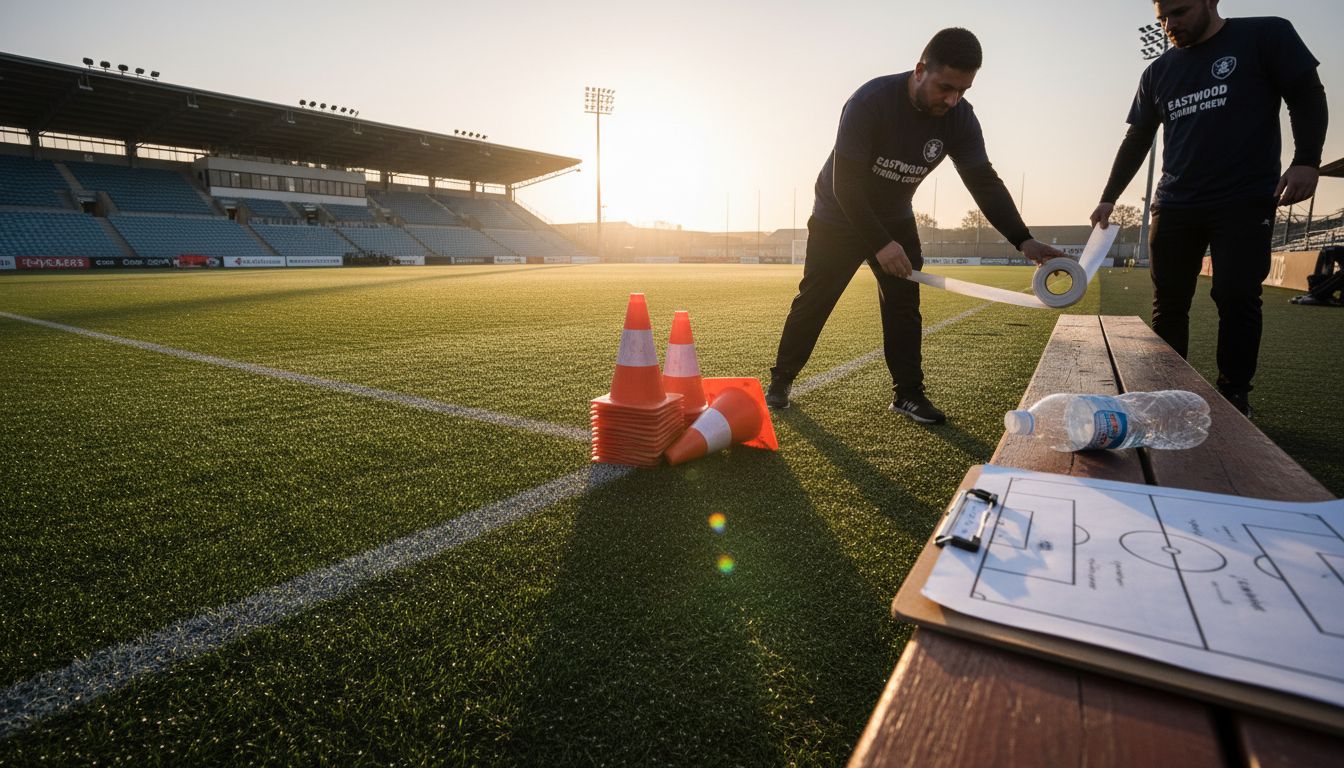
Begin by developing a granular timeline that breaks down every event aspect into manageable segments. Map out precise schedules for setup, athlete registration, competition phases, equipment management, and breakdown. Comprehensive event organization requires systematic scheduling that anticipates potential logistical challenges and provides contingency mechanisms. Create role specific job descriptions for each staff member detailing responsibilities, reporting structures, communication protocols, and performance expectations. Consider cross training personnel to ensure flexibility and resilience in case of unexpected staffing gaps.
Staffing selection goes beyond merely filling positions it requires identifying individuals with the right skill sets, temperament, and understanding of your event goals. Conduct thorough interviews, verify references, and where possible, provide specialized training that aligns with your event requirements. Develop comprehensive communication tools like walkie talkies, dedicated communication apps, or centralized coordination platforms that enable real time information exchange and rapid problem resolution. Implement clear escalation pathways so that every team member understands how to address unexpected situations efficiently.
Pro Tip: Create a detailed staff handbook that outlines uniform guidelines, communication protocols, emergency response procedures, and specific role expectations this reduces ambiguity and empowers your team to perform confidently.
Next, you will develop a robust marketing and promotional strategy to generate excitement and maximize participant engagement.
Step 4: Coordinate marketing, sponsors, and registrations
Successful sports event management hinges on strategic coordination between marketing initiatives, sponsorship acquisition, and participant registration processes. This intricate dance requires precision, creativity, and a comprehensive approach to generating excitement and ensuring smooth participant engagement. Developing a robust marketing strategy involves systematically defining objectives and aligning promotional efforts.
Craft a multilayered marketing strategy that targets multiple audience segments through diverse channels. Implement a comprehensive marketing plan that analyzes target demographics, competitive landscape, and sets measurable performance indicators to track promotional effectiveness. Develop targeted digital campaigns across social media platforms, create engaging video content, design visually compelling promotional materials, and leverage email marketing to reach potential participants and sponsors. Simultaneously, initiate a strategic sponsorship outreach program that highlights the unique value proposition of your sports event focusing on potential brand exposure, audience reach, and alignment with corporate social responsibility objectives.
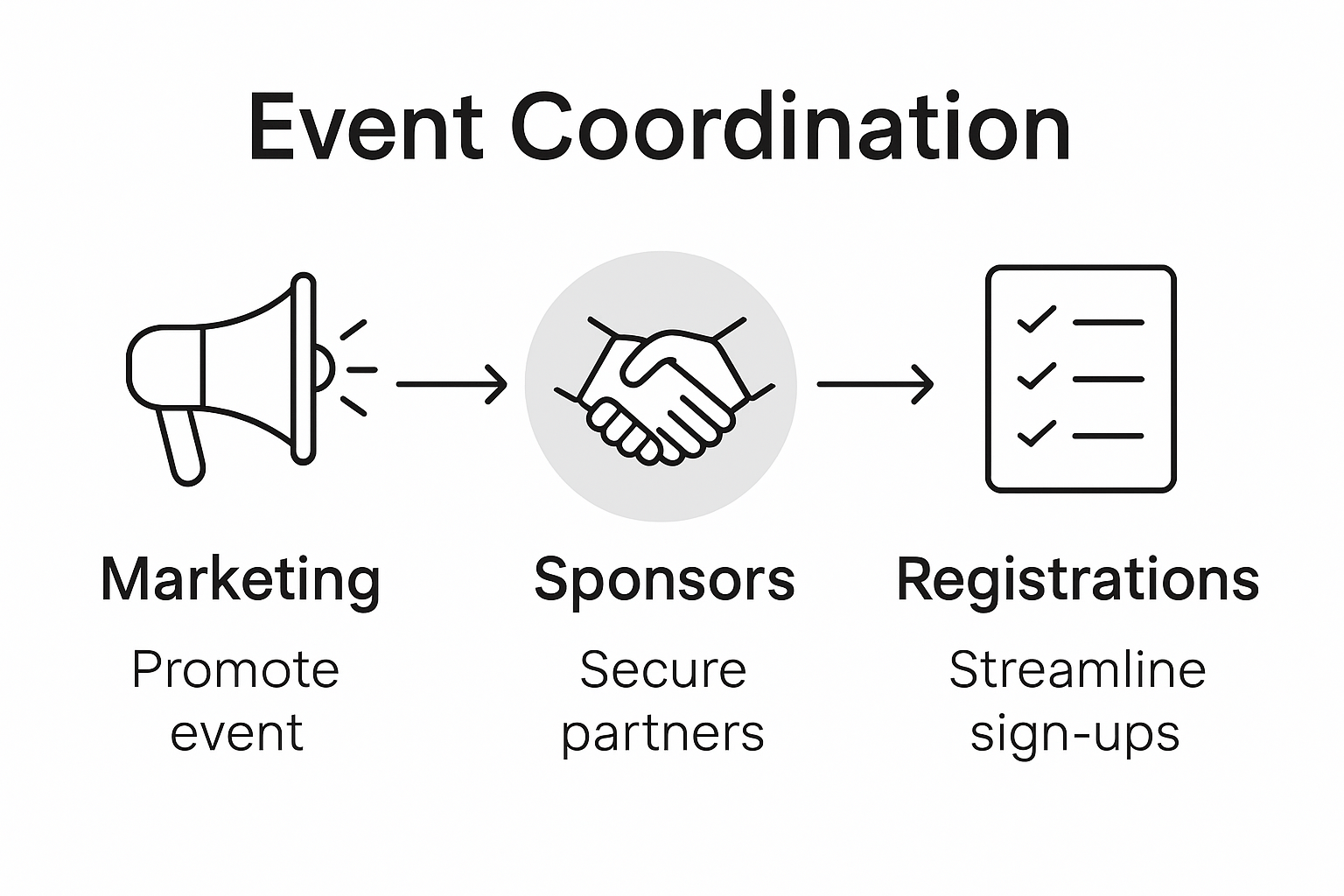
Design a streamlined registration process that minimizes friction and maximizes participant conversion. Implement user friendly online registration platforms with clear instructions, transparent pricing, and multiple payment options. Create tiered registration packages that offer added value such as early bird discounts, group registration benefits, or exclusive merchandise. Develop a comprehensive communication strategy that keeps potential participants informed through regular updates, event details, and excitement building content. Establish clear communication channels for addressing participant inquiries, providing real time support, and managing registration related concerns.
Pro Tip: Use data analytics and tracking tools to monitor registration trends, conversion rates, and marketing campaign performance allowing for real time strategy adjustments and optimization.
Next, you will focus on finalizing event logistics and preparing comprehensive operational protocols.
Step 5: Execute event operations and monitor performance
The culmination of your meticulous planning arrives as you transition from preparation to actual event execution. This critical phase demands real time adaptability, precise coordination, and systematic performance tracking to ensure your sports event unfolds seamlessly. Successful event management requires setting clear goals and establishing robust performance monitoring mechanisms.
Implementing strong organizational skills and maintaining exceptional attention to operational details will be paramount during the event. Deploy your pre planned communication protocols, activate your contingency response teams, and maintain constant situational awareness. Utilize real time tracking technologies like digital dashboards, live communication platforms, and integrated management software to monitor every operational aspect. Create a centralized command center where key team leaders can quickly assess and respond to emerging situations, ensuring smooth event flow and immediate problem resolution.
Performance monitoring extends beyond operational logistics to encompass participant experience, sponsor satisfaction, and overall event objectives. Implement multiple feedback collection mechanisms including digital surveys, real time participant feedback stations, social media sentiment tracking, and post event comprehensive evaluations. Establish key performance indicators beforehand that allow you to objectively measure event success across multiple dimensions such as participant engagement, logistical efficiency, financial performance, and brand perception. Develop a systematic approach to collecting and analyzing performance data that provides actionable insights for continuous improvement.
Pro Tip: Designate a dedicated performance tracking team whose sole responsibility is to collect, analyze, and synthesize real time event data enabling immediate strategic adjustments.
Next, you will conduct comprehensive post event analysis to document insights and prepare detailed performance reports.
Step 6: Evaluate results and optimize future events
The post event evaluation phase transforms your sports event experience into a strategic learning opportunity, converting performance data into actionable insights for future improvements. Establishing clear objectives from the beginning enables comprehensive and meaningful performance assessment.
Systematic measurement of event success requires a multifaceted approach to analyzing key performance indicators across financial, operational, participant experience, and brand perception dimensions. Conduct a comprehensive debrief session with your entire event management team, collecting granular feedback from every operational sector. Utilize both quantitative metrics such as attendance numbers, revenue generated, and social media engagement rates alongside qualitative insights from participant surveys, staff observations, and stakeholder interviews. Create a structured evaluation matrix that scores performance across predefined categories, allowing for objective comparison and trend identification.
Develop a detailed post event report that not only documents the event outcomes but also provides strategic recommendations for future improvements. Segment your analysis into clear categories like operational efficiency, participant satisfaction, financial performance, and brand visibility. Identify specific strengths to be replicated in future events and potential areas requiring strategic modifications. Engage key stakeholders in the review process including sponsors, participants, and core team members to gather diverse perspectives that might reveal insights not immediately apparent from raw data.
Pro Tip: Implement a continuous improvement framework where each event serves as a learning laboratory, with insights systematically documented and integrated into future event planning strategies.
Next, you will begin preliminary planning for your next sports event, leveraging the insights gained from this comprehensive evaluation process.
Elevate Your Sports Event Management with Expert Support
Organizing a successful sports event involves addressing complex challenges such as defining clear objectives, securing the perfect venues, coordinating reliable vendors, and managing detailed logistics. If you have faced difficulties with seamless execution or stakeholder satisfaction, you are not alone. Achieving flawless communication, real-time monitoring, and engaging participant experiences often requires specialized expertise and a trusted partner.
At Morocco Events, we understand these critical pain points and offer tailored solutions that blend strategic planning with innovative technology and local insight. Our proven experience in managing sports events across Morocco ensures your goals—from dynamic marketing to precise logistics—are met with professionalism and creativity. Do not let the complexity of event management hold back your success. Visit MoroccoEvents.com today to discover how our customized services can transform your vision into a memorable and smoothly executed event. Start planning now and gain the confidence of working with Morocco’s premier event specialists.
Frequently Asked Questions
What are the key objectives I should define for my sports event?
Defining clear objectives is crucial for successful sports event management. Consider goals like raising awareness for a sport, engaging with the community, or attracting sponsors. Outline specific outcomes you want to achieve, such as increasing participation by 30% or gaining substantial media coverage.
How can I identify my target audience for the sports event?
To identify your target audience, conduct thorough demographic and psychographic research. Analyze factors such as age, athletic interests, skill levels, and geographic locations. Create detailed audience personas to tailor your marketing strategies and enhance participant engagement effectively.
What factors should I consider when selecting a venue for my sports event?
When selecting a venue, consider factors such as facility size, accessibility, available amenities, and technical equipment. Create a checklist based on your event’s specific needs and ensure the venue can accommodate all logistics, including safety and emergency protocols. Touring potential venues can help you make an informed choice.
How do I create a streamlined registration process for participants?
To create a streamlined registration process, implement a user-friendly online platform with clear instructions and multiple payment options. Consider offering tiered registration packages, such as early bird discounts, to encourage sign-ups. Aim for a registration conversion rate improvement of at least 20% by making the process as simple as possible.
What performance indicators should I monitor during the sports event?
Monitor key performance indicators such as participant engagement, logistical efficiency, and sponsor satisfaction. Utilize real-time tracking technologies, like digital dashboards, to keep an eye on these metrics throughout the event. Aim to gather feedback after every event session to ensure continuous improvement.
How can I conduct an effective post-event evaluation?
To conduct an effective post-event evaluation, gather quantitative data, like attendance and revenue, alongside qualitative feedback from participants and staff. Develop a comprehensive report that highlights strengths and areas for improvement. Schedule a debriefing with your team within two weeks of the event to discuss insights and recommendations for future events.