Complete Guide to the Role of Team Building Events
Most american workplaces underestimate the power of a unified team, yet studies show that strong team dynamics can lead to a 20 percent increase in overall productivity. Building solid relationships at work is vital, not just for performance, but also for employee well-being. Team building events are more than just fun outings—they are intentional tools that help american organizations improve communication, strengthen trust, and create supportive environments where everyone can thrive.
Table of Contents
- Defining Team Building Events And Their Purpose
- Types Of Team Building Events For Organizations
- Key Benefits For Corporate Performance And Culture
- Planning And Executing Effective Team Events
- Common Mistakes And How To Avoid Them
Key Takeaways
| Point | Details |
|---|---|
| Purpose of Team Building Events | These events are designed to enhance group dynamics and strengthen workplace relationships through collaborative experiences. |
| Types of Events | Organizations can choose from various team building activities, including outdoor adventures, professional development workshops, and virtual challenges. |
| Benefits for Organizations | Team building events improve communication, boost employee engagement, and increase overall team productivity by fostering collaboration and trust. |
| Planning Considerations | Effective events require thorough planning, including understanding team member preferences and aligning activities with organizational goals. |
Defining Team Building Events and Their Purpose
Team building events are strategic gatherings designed to enhance group dynamics, strengthen workplace relationships, and improve overall team performance. According to Wikipedia, these activities are specifically crafted to improve social relations and define clear roles within organizational teams through collaborative experiences.
Team building fundamentally aims to create shared experiences that foster unity, communication, and mutual understanding among team members. As research from Brasero highlights, these events are crucial for improving collaboration and aligning team members toward collective goals.
The primary objectives of team building events typically include:
- Enhancing interpersonal communication
- Reducing role ambiguity within teams
- Creating opportunities for informal interaction
- Identifying and addressing potential team challenges
- Developing problem solving skills collectively
Whether conducted through outdoor activities, problem solving workshops, or interactive challenges, these events serve a critical function in modern organizational development. They transform groups of individuals into cohesive, high-performing teams capable of navigating complex workplace dynamics with greater efficiency and mutual understanding. Check out our guide on corporate events to explore how strategic gatherings can transform workplace interactions.
Types of Team Building Events for Organizations
Organizations have a diverse array of team building events at their disposal, each designed to target specific interpersonal and professional development goals. According to Brasero, these events range from adventure activities to wellness-focused experiences, providing multiple approaches to strengthening team dynamics.
The spectrum of team building activities encompasses several key categories, including physical, creative, and skill-based experiences. Blog Xoxoday highlights that these can be broadly classified into outdoor adventures, indoor challenges, professional development workshops, and community engagement initiatives.
Key types of team building events include:
- Outdoor Adventures: Hiking, rock climbing, wilderness challenges
- Indoor Interactive Challenges: Escape rooms, trivia competitions, problem solving scenarios
- Professional Development Workshops: Skill training, communication seminars, leadership development
- Creative Experiences: Cooking workshops, artistic collaborations, music and performance activities
- Wellness Retreats: Yoga sessions, meditation workshops, stress management programs
- Virtual Team Building: Online games, digital collaboration challenges, remote team connection activities
Whether pursuing physical challenges or intellectual stimulation, these events serve a critical purpose in transforming individual contributors into cohesive team units. Explore our comprehensive team building activities guide to discover innovative strategies for enhancing organizational collaboration and team performance.
Key Benefits for Corporate Performance and Culture
Team building events are far more than just recreational activities; they are strategic interventions that fundamentally transform organizational dynamics. According to Wikipedia, these activities directly impact both objective performance metrics and supervisory evaluations by enhancing critical workplace attributes like team cohesion, communication, and trust.
Corporate culture transformation occurs through carefully designed team building experiences that go beyond surface-level interactions. Bizzabo highlights that these initiatives promote a holistic approach to organizational development, fostering innovation, employee satisfaction, and community engagement.
The key benefits of team building events include:
- Enhanced communication and interpersonal understanding
- Increased employee motivation and engagement
- Improved conflict resolution skills
- Stronger cross-departmental collaboration
- Higher employee retention rates
- Development of shared organizational values
- Boost in overall team productivity

By investing in strategic team building experiences, organizations create environments where individual talents are amplified through collective synergy.
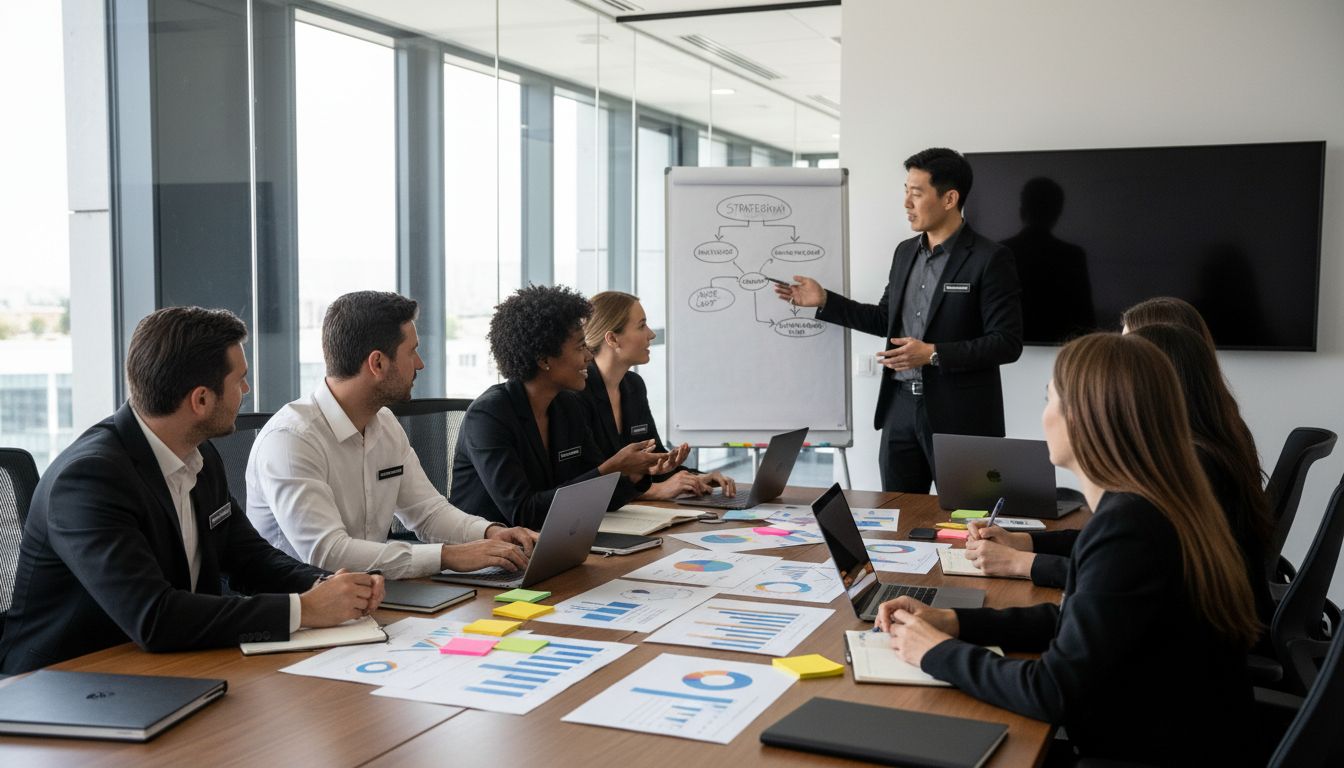 These events transform workplace interactions from transactional to meaningful, driving performance and cultivating a positive, innovative corporate culture. Check out our corporate event terminology guide to better understand the nuanced language of organizational development.
Planning and Executing Effective Team Events
Successful team building events require meticulous planning and strategic design that goes beyond simple entertainment. According to Bizzabo, organizations must carefully consider team members’ interests, abilities, and company culture when selecting and structuring activities to ensure maximum engagement and impact.
Event design demands a comprehensive approach that balances participant preferences with organizational objectives. TeamBuilding emphasizes the critical importance of detailed preparation, including precise location selection, thoughtful challenge design, and clear instructional frameworks that guide participants through meaningful collaborative experiences.
Key strategic considerations for planning team events include:
- Conducting pre-event team surveys to understand participant interests
- Aligning activities with specific organizational goals
- Selecting diverse challenges that accommodate different skill levels
- Creating balanced team compositions
- Establishing clear event objectives and measurement metrics
- Providing sufficient time and resources for meaningful interactions
- Developing comprehensive debriefing and reflection processes
The most impactful team building experiences transform routine workplace interactions by creating memorable, purpose-driven moments of shared achievement. Learn more about event management strategies to elevate your organizational development approach and create truly transformative team experiences.
Common Mistakes and How to Avoid Them
Team building events can quickly derail when organizations fail to recognize the nuanced dynamics of group interactions. According to Bizzabo, the most critical mistake is neglecting to consider the diverse interests, abilities, and preferences of team members during event planning and execution.
Event design pitfalls often emerge from a one-size-fits-all approach that undermines participant engagement. TeamBuilding emphasizes that successful team events require carefully curated experiences that balance individual comfort levels, organizational objectives, and meaningful collaborative opportunities.
Common mistakes to avoid in team building events include:
- Ignoring team member diversity and individual preferences
- Failing to align activities with company culture and values
- Neglecting to involve employees in event planning process
- Creating overly competitive or exclusionary challenges
- Selecting activities without clear strategic objectives
- Underestimating the importance of thorough preparation
- Overlooking post-event reflection and feedback mechanisms
Navigating these potential challenges requires a thoughtful, inclusive approach that prioritizes genuine connection and meaningful team development. Explore our comprehensive event logistics guide to ensure your team building initiatives create lasting positive impact.
Elevate Your Team Building Experience with MoroccoEvents
The article highlights how team building events face challenges like aligning activities with diverse team interests and achieving clear organizational goals. You want to create meaningful, memorable moments that foster trust, communication, and productivity without risking disengagement or one-size-fits-all approaches. At MoroccoEvents, we understand these critical pain points and terminology like “event design” and “corporate culture transformation.” We specialize in crafting tailored team building experiences that blend Moroccan tradition with modern innovation to produce lasting impact.
Discover how our expert event planning goes beyond simple recreation to deliver strategic, fully managed solutions that connect your teams and elevate your corporate culture. Explore how our deep knowledge of local venues, vendor networks, and multilingual capabilities create seamless and inspiring events. Start transforming your workplace dynamics today by visiting Morocco Events: Morocco’s Premier Event and Wedding Planner and learn how to bring your vision to life. Take the next step now and partner with us at MoroccoEvents.com for unbeatable professionalism, creativity, and execution precision.
Frequently Asked Questions
What are team building events?
Team building events are strategic gatherings designed to enhance group dynamics, strengthen workplace relationships, and improve overall team performance through collaborative experiences.
What are the primary objectives of team building events?
The primary objectives include enhancing interpersonal communication, reducing role ambiguity, creating informal interaction opportunities, addressing team challenges, and developing collective problem-solving skills.
What types of activities are included in team building events?
Activities typically include outdoor adventures, indoor interactive challenges, professional development workshops, creative experiences, wellness retreats, and virtual team building exercises.
How can effective team building events benefit corporate culture?
Effective team building events can enhance communication, increase employee motivation, improve conflict resolution skills, strengthen collaboration, boost employee retention, and cultivate a positive corporate culture.