Event Logistics Explained: Complete Guide for Planners
Most american event planners know the stakes are high when even a small logistical misstep can ripple across an entire event. With over 60 percent of attendees judging event success by smooth operations and organization, logistics become the silent driver behind lasting impressions. Understanding the essential principles of event logistics empowers you to craft seamless, memorable experiences while avoiding common pitfalls that can threaten your reputation and bottom line.
Table of Contents
- Defining Event Logistics And Essential Concepts
- Types Of Event Logistics Services
- Core Components Of Event Logistics Planning
- Vendor Coordination And Technology Integration
- Cost Factors And Budgeting Essentials
- Managing Risks And Ensuring Compliance
Key Takeaways
| Point | Details |
|---|---|
| Mastering Event Logistics | Successful event logistics require a holistic approach, integrating planning, resource management, and flexibility to adapt to challenges. |
| Types of Event Logistics Services | Key services include transportation, venue management, technical production, and catering, all tailored to specific event needs. |
| Cost Management and Budgeting | Effective budgeting involves understanding fixed costs, personnel expenses, and operational contingencies for strategic financial planning. |
| Risk Management and Compliance | Risk management should proactively identify vulnerabilities and ensure compliance with regulations to foster trust and safety at events. |
Defining Event Logistics and Essential Concepts
Event logistics represent the intricate backbone of successful event planning, encompassing the strategic coordination and management of complex operational elements that transform conceptual event designs into seamless, memorable experiences. According to Transportation Research Part E, logistics involves meticulously planning, implementing, and controlling the efficient movement and storage of goods, services, and related information from the point of origin to the final destination.
At its core, event logistics involves several critical components that event professionals must masterfully navigate. These include:
- Venue Selection and Management: Identifying and securing appropriate spaces that align with event objectives
- Transportation Coordination: Managing attendee, equipment, and resource movements
- Resource Allocation: Strategically deploying personnel, technology, and materials
- Scheduling and Timing: Creating precise timelines and contingency plans
The International Journal of Physical Distribution & Logistics Management emphasizes that effective event logistics transcend mere operational execution. Successful logistics management requires a holistic approach that anticipates potential challenges, integrates advanced technological solutions, and maintains flexibility to adapt to unexpected circumstances.
Understanding these foundational concepts is crucial for event planners seeking to deliver exceptional experiences. By mastering the intricate dance of logistics, professionals can transform complex operational challenges into smooth, seamless events that exceed client expectations. For a deeper exploration of corporate event terminology that complements these logistics principles, check out our corporate event terminology guide.
Types of Event Logistics Services
Event logistics services represent a sophisticated ecosystem of specialized solutions designed to address the complex operational requirements of different events. According to Transportation Research Part E, these services can be strategically categorized to meet the unique demands of various event formats and scales.
The primary types of event logistics services encompass:
- Transportation Services: Managing attendee, performer, and equipment movement
- Venue Logistics: Comprehensive space planning, setup, and management
- Technical Production Services: Audio-visual equipment coordination and technical infrastructure
- Catering and Hospitality Logistics: Food, beverage, and guest experience management
- Security and Safety Services: Risk management and participant protection strategies
- Technology and Communication Infrastructure: Network setup, connectivity, and communication systems
Research from the International Journal of Physical Distribution & Logistics Management highlights that successful event logistics services require a dynamic, integrated approach that anticipates potential challenges and provides flexible, customized solutions. These services must seamlessly adapt to the specific requirements of corporate conferences, cultural festivals, wedding celebrations, and international exhibitions.
For event professionals seeking a comprehensive understanding of the logistical groundwork required, mastering these service categories is crucial. By developing a nuanced approach to logistics service selection and implementation, planners can transform complex operational challenges into smooth, memorable experiences. To further refine your event planning skills, explore our event planning checklist guide for additional strategic insights.
Core Components of Event Logistics Planning
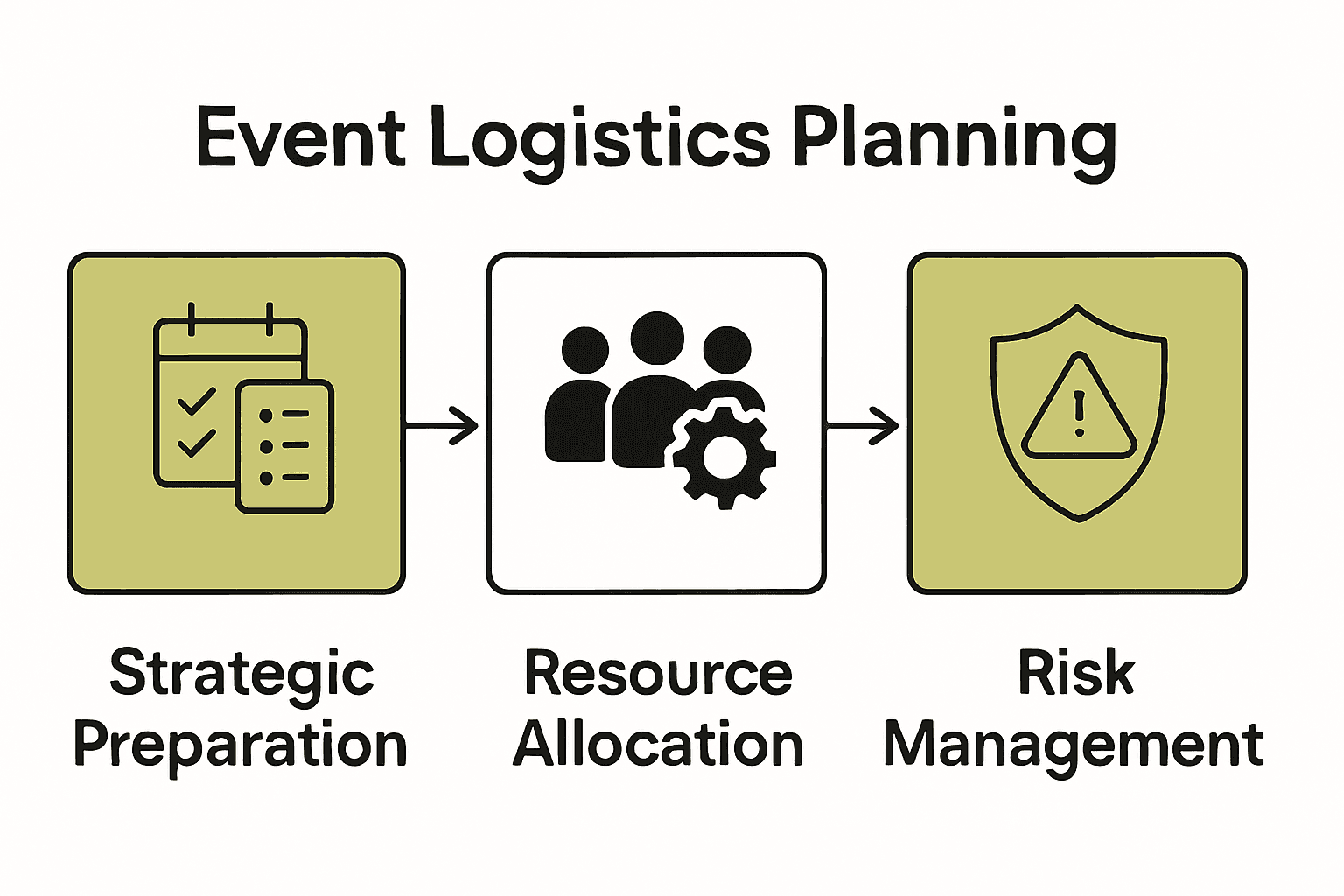
Event logistics planning is a complex strategic process that requires meticulous attention to multiple interconnected components. According to Transportation, successful event logistics planning hinges on a comprehensive approach that integrates systematic preparation, resource management, and adaptive problem-solving strategies.
The core components of event logistics planning typically include:
- Strategic Preparation: Developing detailed event blueprints and comprehensive planning frameworks
- Resource Allocation: Identifying, securing, and optimizing human, technical, and material resources
- Risk Management: Anticipating potential challenges and developing contingency protocols
- Communication Infrastructure: Establishing robust communication channels and coordination mechanisms
- Timeline Management: Creating precise schedules and maintaining operational flexibility
- Performance Monitoring: Implementing real-time tracking and evaluation systems
Research from the Journal of Business Logistics emphasizes that these components must work synergistically, creating an integrated system that can adapt to dynamic event requirements. Successful logistics planning transforms potential operational complexities into seamless, well-executed experiences that meet and exceed stakeholder expectations.
For event professionals looking to elevate their logistics planning capabilities, understanding these core components is paramount. By developing a holistic, strategic approach to event management, planners can navigate intricate logistical challenges with confidence and precision.
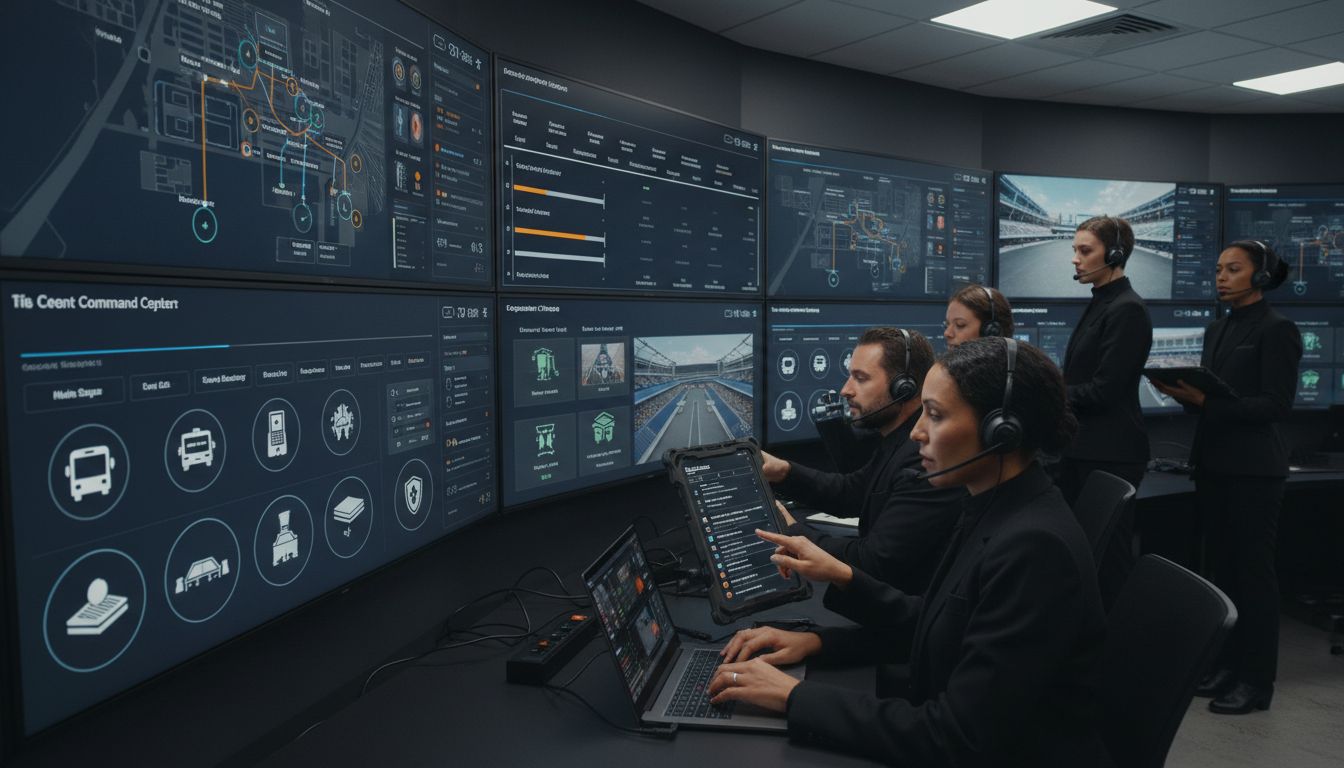 To gain deeper insights into professional event management strategies, explore our guide on the role of event planners for comprehensive professional development.
Vendor Coordination and Technology Integration
Vendor coordination and technology integration represent pivotal elements in modern event logistics, transforming traditional operational approaches into dynamic, interconnected ecosystems. According to Transportation Research Part E, successful event management now demands sophisticated technological platforms that enable seamless communication, real-time tracking, and collaborative problem-solving among diverse vendor networks.
Key technological integration strategies for effective vendor coordination include:
- Cloud-Based Collaboration Platforms: Enabling real-time information sharing and project management
- Advanced Communication Tools: Implementing integrated messaging and video conferencing systems
- Digital Contract Management: Utilizing blockchain and smart contract technologies for transparent vendor agreements
- Centralized Resource Tracking: Implementing IoT-enabled tracking for equipment, personnel, and logistical resources
- Automated Performance Analytics: Developing dashboards for real-time vendor performance monitoring
- Predictive Planning Software: Utilizing AI-driven tools for anticipating potential logistical challenges
The integration of cutting-edge technologies fundamentally reshapes vendor relationships, transforming them from transactional interactions to strategic partnerships. Digital platforms now enable event planners to create transparent, efficient ecosystems where communication flows seamlessly, risks are proactively managed, and collaborative potential is maximized.
For event professionals seeking to elevate their vendor management capabilities, embracing technological integration is no longer optional but essential. By developing a tech-forward approach to vendor coordination, planners can unlock unprecedented levels of efficiency, transparency, and strategic collaboration. To further refine your event management skills, explore our guide on event planning for comprehensive professional insights.
Cost Factors and Budgeting Essentials
Event logistics budgeting represents a critical strategic process that demands precision, foresight, and comprehensive financial planning. According to Transportation, successful budget management in event logistics requires a multifaceted approach that goes beyond simple cost calculation, encompassing strategic resource allocation, risk mitigation, and financial optimization.
Key cost factors and budgeting considerations include:
- Fixed Infrastructure Costs: Venue rental, equipment procurement, and technological infrastructure
- Personnel Expenses: Staffing, vendor fees, coordination, and management costs
- Operational Contingencies: Emergency funds, risk management reserves, and unexpected expense buffers
- Technology Investment: Digital platform subscriptions, communication tools, tracking systems
- Transportation and Logistics: Equipment movement, attendee transportation, vendor logistics
- Compliance and Insurance: Regulatory requirements, event insurance, legal documentation
Effective budget management requires a dynamic approach that balances precise financial planning with strategic flexibility. Event planners must develop nuanced budgeting strategies that account for potential variables, unexpected challenges, and the complex interconnected nature of modern event logistics. This approach transforms budgeting from a restrictive financial exercise into a strategic planning tool that enables innovative, efficient event execution.
For event professionals seeking to master the intricate art of financial planning, understanding these multidimensional cost factors is essential. By developing a comprehensive, forward-thinking approach to budgeting, planners can create financially robust event strategies that maximize value while maintaining exceptional quality. To gain deeper insights into professional event management techniques, explore our guide on the role of event planners for comprehensive strategic development.
Managing Risks and Ensuring Compliance
Risk management and compliance represent critical pillars of sophisticated event logistics, requiring a proactive and comprehensive approach to potential challenges and regulatory requirements. According to Transportation Research Part E, effective risk management transcends traditional defensive strategies, demanding an integrated system of anticipation, prevention, and strategic mitigation.
Key risk management and compliance strategies include:
- Comprehensive Risk Assessment: Systematic identification and evaluation of potential event vulnerabilities
- Legal Regulatory Mapping: Detailed analysis of local, national, and international compliance requirements
- Safety Protocol Development: Creating robust emergency response and incident management frameworks
- Insurance and Liability Management: Strategically designed coverage protecting event stakeholders
- Technology-Enabled Monitoring: Implementing real-time tracking and predictive risk analysis systems
- Vendor Compliance Verification: Rigorous screening and ongoing performance evaluation of event partners
Successful risk management requires a dynamic, adaptive approach that transforms potential challenges into strategic opportunities. Event planners must develop multilayered compliance strategies that not only mitigate risks but also create transparent, trustworthy event ecosystems that inspire confidence among stakeholders, participants, and regulatory bodies.
For event professionals committed to excellence, mastering risk management is not just about avoiding problems but creating resilient, sophisticated event experiences. By developing comprehensive, forward-thinking compliance strategies, planners can navigate complex regulatory landscapes with confidence and creativity. To enhance your professional capabilities, explore our guide on the role of event planners for advanced strategic insights.
Mastering Event Logistics with MoroccoEvents
Struggling to turn complex event logistics into flawless, unforgettable experiences? This guide reveals how detailed planning components such as transportation coordination, vendor management, and risk mitigation are essential. Managing these challenges alone can feel overwhelming but knowing where to find expert support makes all the difference. With MoroccoEvents, you gain access to a trusted partner specializing in sophisticated event logistics tailored to Morocco’s unique environment.
Explore how our professional team transforms intricate logistical demands into seamless execution by integrating technology, vendor coordination, and strategic budgeting. Whether you plan a luxury wedding, corporate seminar, or international exhibition, our deep expertise in resource allocation and risk management ensures your event runs smoothly from start to finish. Ready to elevate your next event? Discover customized solutions at Morocco Events: Morocco’s Premier Event and Wedding Planner and start planning with confidence. Visit MoroccoEvents.com now to connect with seasoned planners who understand your challenges and deliver excellence.
Frequently Asked Questions
What are the key components of event logistics?
Event logistics involves several critical components, including venue selection and management, transportation coordination, resource allocation, scheduling and timing, and risk management. These elements work together to ensure a seamless event experience.
How do I manage vendor coordination in event logistics?
Effective vendor coordination can be achieved through cloud-based collaboration platforms, advanced communication tools, and centralized resource tracking systems. These technologies improve communication and efficiency among vendors, transforming relationships into strategic partnerships.
What factors should I consider when budgeting for an event?
Key budgeting factors include fixed infrastructure costs (like venue rental and equipment), personnel expenses, operational contingencies, technology investment, transportation logistics, and compliance expenses. A strategic approach balances financial planning and flexibility to adapt to unforeseen challenges.
How can I ensure compliance and manage risks during an event?
To ensure compliance and manage risks, conduct a comprehensive risk assessment, understand legal regulations, develop safety protocols, and verify vendor compliance. Using technology for real-time monitoring and risk analysis can help proactively address potential issues.